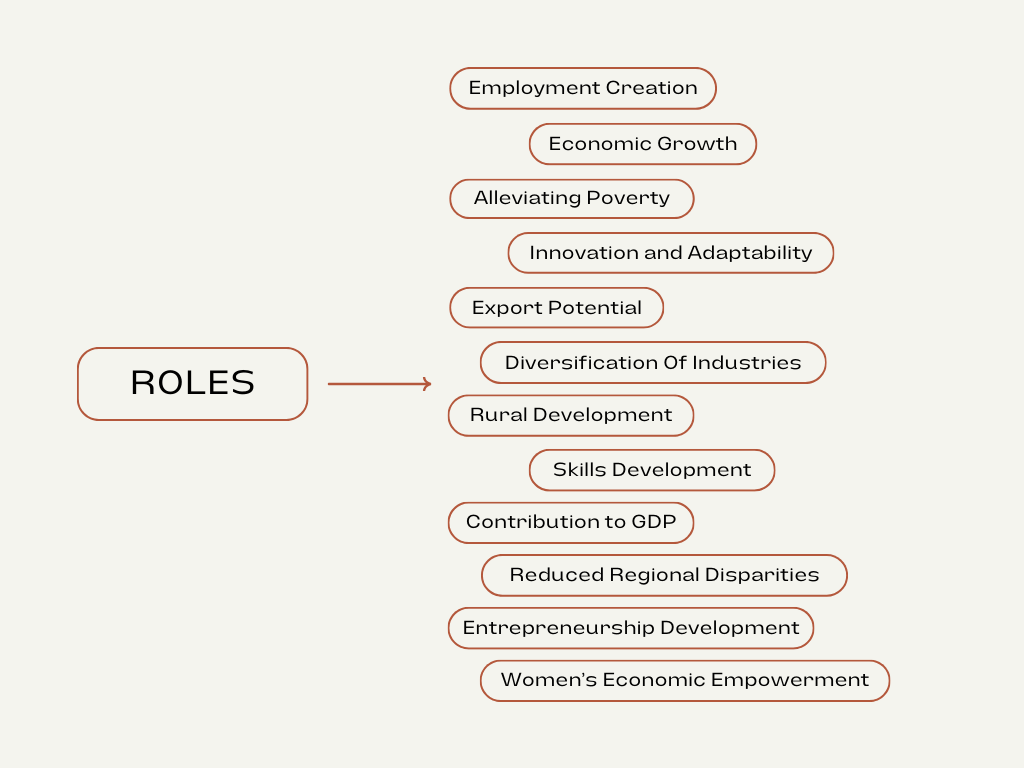
Small and medium-sized businesses are essential to Pakistan’s economic growth. They play a significant role in a wide range of dimensions of the nation’s economy and society. SMEs in Pakistan have the following contributions:
- Employment Creation: SMEs play a crucial role in creating jobs in Pakistan. They provide jobs to a significant portion of the population, in both urban and rural areas. This is especially important in a nation where the labor force is expanding and the unemployment rate is high.
- Economic Growth: SMEs contribute to overall economic growth by encouraging entrepreneurship and innovation. They frequently act as a breeding ground for fresh company concepts and goods, which can promote economic growth.
- Alleviating Poverty: SMEs can reduce poverty by giving families and individuals who might not have access to formal work chances an opportunity to earn an income. This may directly contribute to lowering the nation’s poverty rates.
- Innovation and Adaptability: Compared to larger companies, SMEs are frequently more flexible and agile. They can quickly adapt to new technology, develop innovative products and services, and adjust to shifting market conditions.
- Export Potential: Pakistani SMEs have the potential to enter global markets. They can help the nation’s exports expand as they develop and become more competitive, which is essential for enhancing the balance of payments and foreign exchange reserves.
- Diversification Of Industries: SMEs work in a range of industries, including manufacturing, services, agriculture, and handicrafts. Their presence helps diversify the economy, reducing dependence on a single industry or sector.
- Rural Development: By fostering economic activity in rural regions, SMEs play a crucial part in rural development. They are often employed in agricultural businesses, cottage industries, and other agriculture-related companies, bridging the economic gap between urban and rural areas.
- Skills Development: SMEs are a source of training and skill development for the workforce. They often recruit and teach individuals who possess a variety of skill sets, improving the workforce of the nation.
- Contribution to GDP: SMEs jointly contribute significantly to Pakistan’s GDP. Their development and success directly affect the nation’s economic performance.
- Reduced Regional Disparities: SMEs can contribute to a more equitable distribution of wealth and resources by boosting economic activity in Pakistan’s underdeveloped regions.
- Entrepreneurship Development: Entrepreneurship is encouraged among individuals as SMEs provide opportunities to start their own businesses. They contribute to the culture of entrepreneurship and innovation in Pakistan.
- Women’s Economic Empowerment: SMEs frequently have a substantial female workforce, particularly in industries like textiles and handicrafts. They support gender equality in the workforce and women’s advancement in business.
 Her Startup Path